Intimate Rejuvenation: Understanding the Natural Changes Women Experience and the Non-Surgical Aesthetic Options Available
By Dr Maria Shakoor, GP & Aesthetic Practitioner, DermMED Aesthetics
For many women, intimate changes are a natural part of life. These changes may occur following childbirth, during perimenopause and menopause, or simply as part of the ageing process. Although common, they are often not openly discussed, leaving many women feeling unsure about what is normal or where to seek advice.
Increasingly, some women are choosing to explore non-surgical aesthetic procedures as part of their personal wellbeing. Understanding the natural changes that occur and the options available can help women make informed decisions that are right for them.
Why Do Intimate Changes Occur?
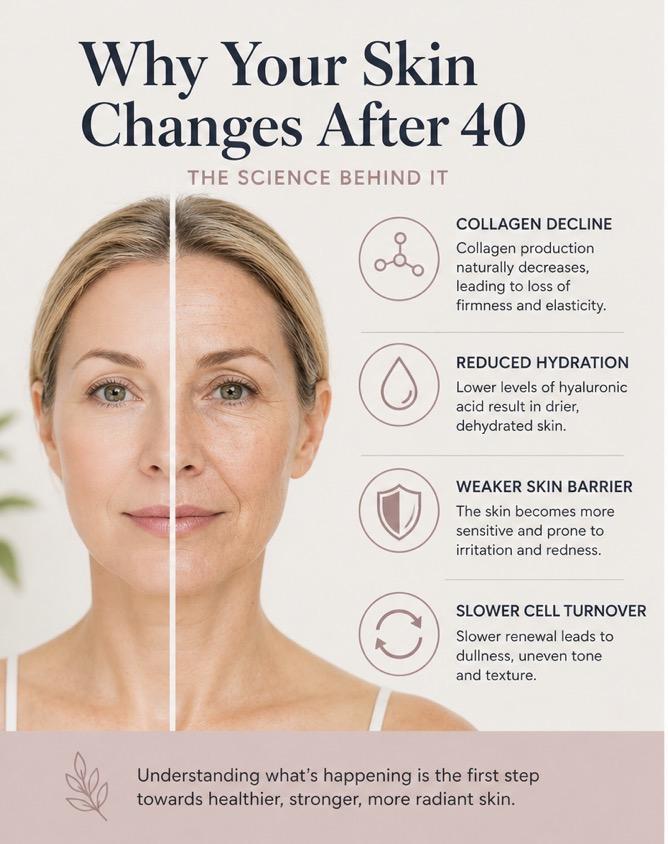
As we age, our bodies naturally produce less collagen, elastin and hyaluronic acid. Hormonal changes, particularly during menopause, can also influence the structure and appearance of intimate tissues.
Women may notice changes such as:
- Reduced tissue elasticity
- A feeling of dryness
- Changes following pregnancy and childbirth
- Alterations in the appearance of the intimate area
- A change in how they feel about their intimate wellbeing
Every woman's experience is different, and these changes are a normal part of life for many.
What Is Intimate Rejuvenation?
Intimate rejuvenation is a broad term used to describe non-surgical aesthetic procedures that aim to support tissue quality through regenerative approaches.
The focus is on working with the body's natural regenerative processes rather than making dramatic changes. Individual goals, expectations and suitability vary, so treatment decisions should always be based on a personalised consultation.
Regenerative Aesthetic Approaches
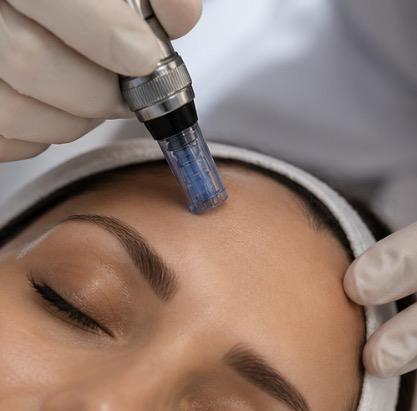
One regenerative aesthetic procedure that some practitioners offer is Platelet-Rich Plasma (PRP).
PRP involves taking a small sample of your own blood and processing it to concentrate platelets, which contain naturally occurring growth factors. Within regenerative aesthetics, PRP is used with the aim of supporting the body's natural healing response and collagen production.
Research into regenerative aesthetic procedures for intimate rejuvenation is continuing to evolve. While some individuals report positive experiences, evidence is still developing, and outcomes vary between individuals. No procedure can guarantee specific results.
Is Intimate Rejuvenation Suitable for Everyone?
No.
Before considering any aesthetic procedure, it is important to have a thorough consultation to discuss your concerns, expectations and medical history.
For some women, reassurance, lifestyle advice or other healthcare options may be more appropriate. Where symptoms suggest an underlying medical condition, assessment by a GP or an appropriate specialist is recommended before considering aesthetic procedures.
When Should You Seek Medical Advice?
You should seek medical advice from your GP or another appropriate healthcare professional if you experience:
- Unexplained vaginal bleeding
- Persistent pelvic pain
- A new lump or swelling
- Recurrent infections
- Significant urinary symptoms
- Any symptom that is new, worsening or causing concern
These symptoms require appropriate medical assessment and should not be assumed to be part of the normal ageing process.
Our Approach at DermMED Aesthetics
At DermMED Aesthetics, we believe every woman deserves to feel comfortable discussing intimate wellbeing in a confidential, respectful and professional environment.
Our consultations are centred on listening to your concerns, providing balanced information and helping you understand the non-surgical aesthetic options available. Where appropriate, we will also advise when assessment by your GP or another healthcare professional is recommended.
Our priority is ensuring that every woman is supported to make an informed decision based on her individual circumstances.
This article is intended for educational purposes only and should not be considered medical advice. The information provided does not replace assessment, diagnosis or treatment by your GP or another appropriately qualified healthcare professional. Non-surgical aesthetic procedures are not suitable for everyone, and individual suitability can only be determined following a consultation. If you have symptoms such as pain, unexplained bleeding, a lump, recurrent infections or other concerning changes, you should seek medical advice before considering any aesthetic procedure.